2 min
2781
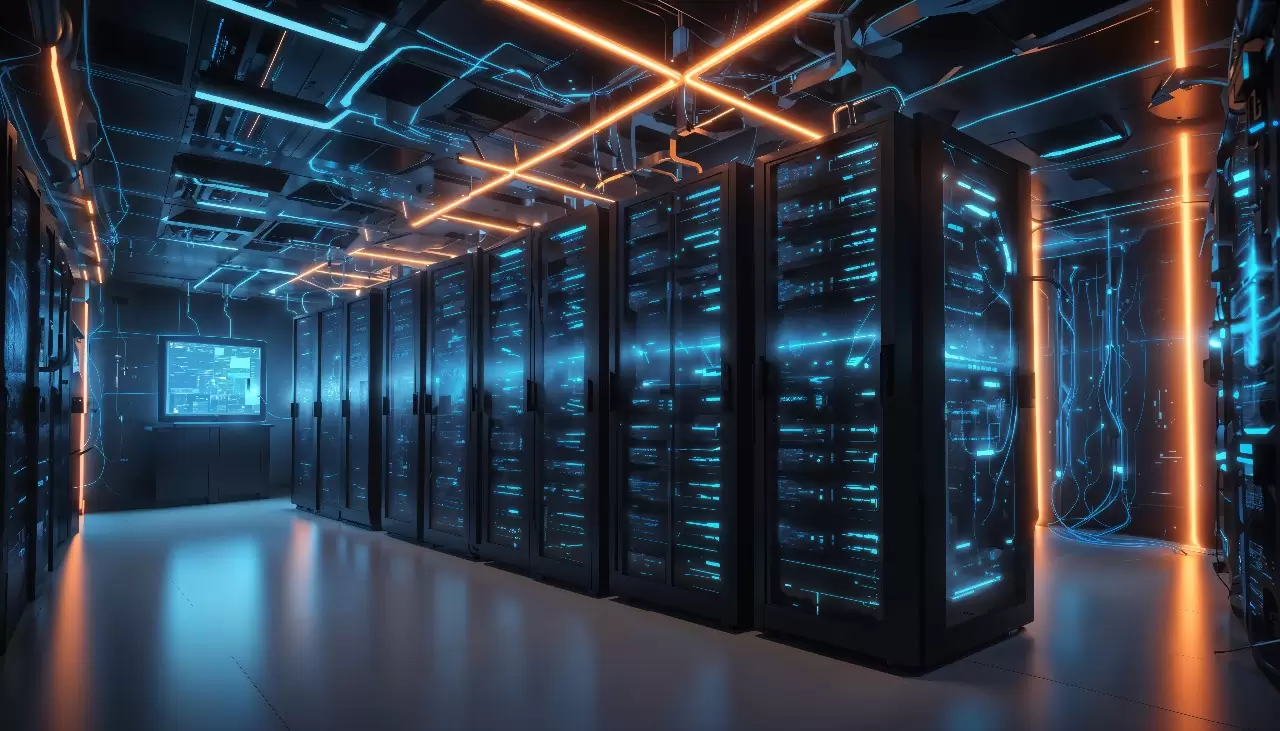
In today's technological era, the term "server" is ubiquitous. But what is a server, and why is it so important? Servers are computers specifically designed to manage and share data efficiently. In this article, we will explore their functions, types, and uses in detail.
Primary Purpose of a Server
Servers are designed to provide services and data to other devices. These services include displaying web pages, managing databases, sharing files, and much more. Servers are distinguished by their high performance and continuous operation capabilities.
How a Server Works
-
Request Handling: Users or devices send requests to the server.
-
Response Delivery: The server processes the request and sends back a response (e.g., a web page or data).
For instance, when you open a website, you are requesting that page from a web server.
Types of Servers
-
Web Servers: Handle websites (Apache, Nginx).
-
Database Servers: Manage and store data (MySQL, Oracle).
-
Email Servers: Provide email services (Exchange Server).
-
Cloud Servers: Manage cloud-based services (AWS, Google Cloud).
Advantages of Servers
-
High Performance: Equipped with robust technical capabilities.
-
Continuous Availability: Operate 24/7 without interruption.
-
Security: Advanced security measures protect data.
Future Role of Servers
With advancements in technology, servers are becoming even more critical. Particularly in cloud technologies and remote data management, servers play an indispensable role.
Servers are an integral part of modern technology, serving both businesses and individual users. If you'd like to learn more about servers, feel free to reach out to us!