What is good website design and why is it so important?
Whether you run a small business or a large company, your website is always at the center of your online presence. Good website design is not just about “looking nice”. It is a strategic approach that directly affects user experience, SEO results, the number of enquiries you receive and the sales you make. The impact of website design is not always obvious at first glance, but when you look at analytics, the difference becomes clear: longer sessions, lower bounce rate and higher conversions.
Good website design means having a logical structure, easy navigation, readable text, a visual style that matches your brand, mobile responsiveness and fast loading speed. When these elements work together, your site becomes more valuable both for users and for search engines. The result is simple: more visibility, more customers and more revenue.
How website design impacts user experience
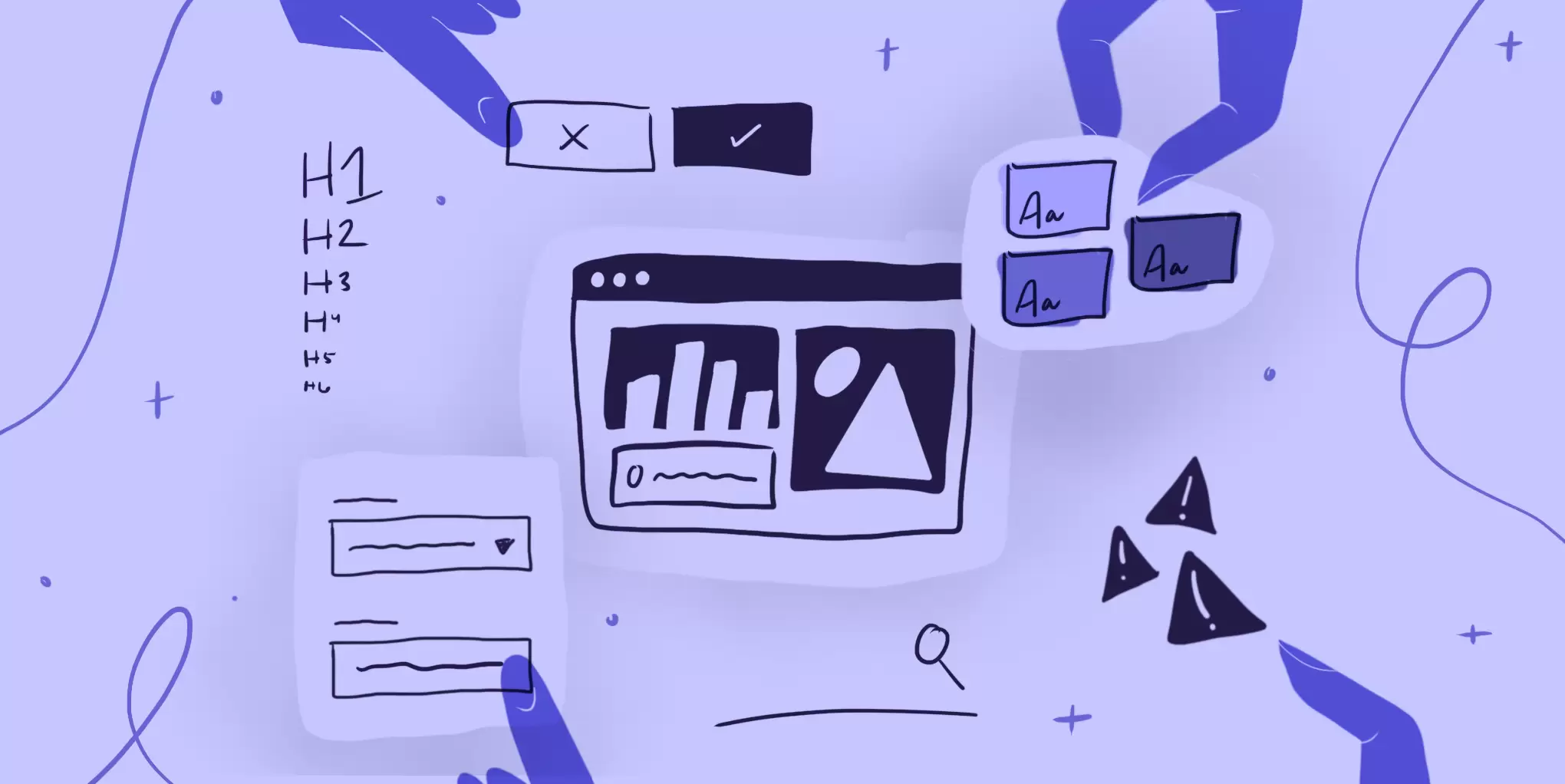
When a user lands on your site, they decide whether to stay or leave within the first 3-5 seconds. Good website design helps you create a positive first impression in those few seconds. Cleanly arranged sections, clear headings, readable fonts and enough “white space” make the page feel comfortable. If the design is cluttered, the colors are tiring, or the menu is hard to find, the user may close the site without ever understanding its value.
The impact of website design goes far beyond visuals. User experience also depends on how intuitive it is to move between pages, how many clicks it takes to find what they need, how visible contact forms and “call” or “order” buttons are, and whether the site is equally easy to use on desktop and mobile devices. Good website design sends a simple message to the user: “This company is organized, professional and pays attention to details.” That feeling directly turns into trust and, in the end, a purchase decision.
The effect of good website design on SEO
When people hear “SEO”, many think only about keywords and text optimization, but the technical and visual design of the site also plays a decisive role. Good website design means a clear structure for search engines: logical use of headings, clean code, optimized images and a correct internal linking structure help Google and other search engines “understand” your site more easily.
The impact of website design on SEO is also measured through user behavior. For example, if users spend more time on the site, search engines see this as a positive signal. If navigation is convenient and users view multiple pages, this improves quality metrics. Mobile-friendly design and fast loading speed have already become must-have factors for Google.
If your site’s design is outdated, not mobile friendly or has a confusing structure, text optimization alone will not be enough to achieve strong rankings. Good website design becomes a solid foundation for your SEO strategy and helps you grow steadily in search results.
Brand image and trust: the role of good website design
In the online world, your website is your “digital office”. Just as cleanliness, interior design and staff behavior in a physical office shape clients’ impressions, the same applies to your website. Good website design is one of the most effective ways to visually communicate your brand values.
Your color palette, images, icons, fonts and the way you present content all tell the story of your brand. If you offer premium services but your site looks outdated, this creates internal conflict and doubt in a potential customer’s mind. On the other hand, a modern, minimal and well-structured website design raises the perceived level of professionalism and sends the message: “This company can be trusted.”
Good website design also helps you stand out from competitors. When a user is comparing several companies with similar offers, they often decide based on visual appeal and ease of use. A branded, unique and memorable design can easily tip the decision in your favor.
How website design affects conversions and sales
At the end of the day, every website has a goal: to collect enquiries, sell products, get phone calls, bookings or registrations. Good website design plays a key role in increasing the conversion rate at every stage of this process.
Some of the main design elements that influence conversions are: clear and prominent call-to-action buttons (for example, “Get a quote”, “Contact us”, “Order now”), simple and short forms (without too many required fields), trust elements (client reviews, portfolio, partner logos, certificates), social proof in numbers (“120+ projects”, “90+ clients”) and a transparent, easy-to-follow structure where the user always sees what to do next.
When you use good website design to optimize these elements, you can get more results from the same amount of traffic. In other words, you can spend less on advertising and still receive more enquiries and sales. This is one of the clearest examples of how website design directly influences business performance.
Mobile friendliness and speed: essential conditions for modern website design
Today, the majority of users visit websites from their mobile phones. Good website design is no longer possible without responsive layout. If visitors constantly have to zoom in to read text, if buttons are hard to tap, or if the menu is difficult to find on a small screen, they will close the site within seconds.
Speed is another essential part of modern website design. Heavy images, unoptimized code and unnecessary animations hurt both user experience and SEO. Good website design means optimizing images, removing unnecessary elements and configuring the site technically so that pages load faster.
Search engines like Google place significant importance on both mobile compatibility and speed. So fast, mobile-friendly good website design is not only convenient for your users — it also helps you climb higher in search rankings.
Practical tips for good website design
If you are thinking about updating your current site or creating a new one, keeping a few key points in mind will give you a strong starting point for good website design:
– Clearly define your target audience. Design, language and visuals should match your customer profile.
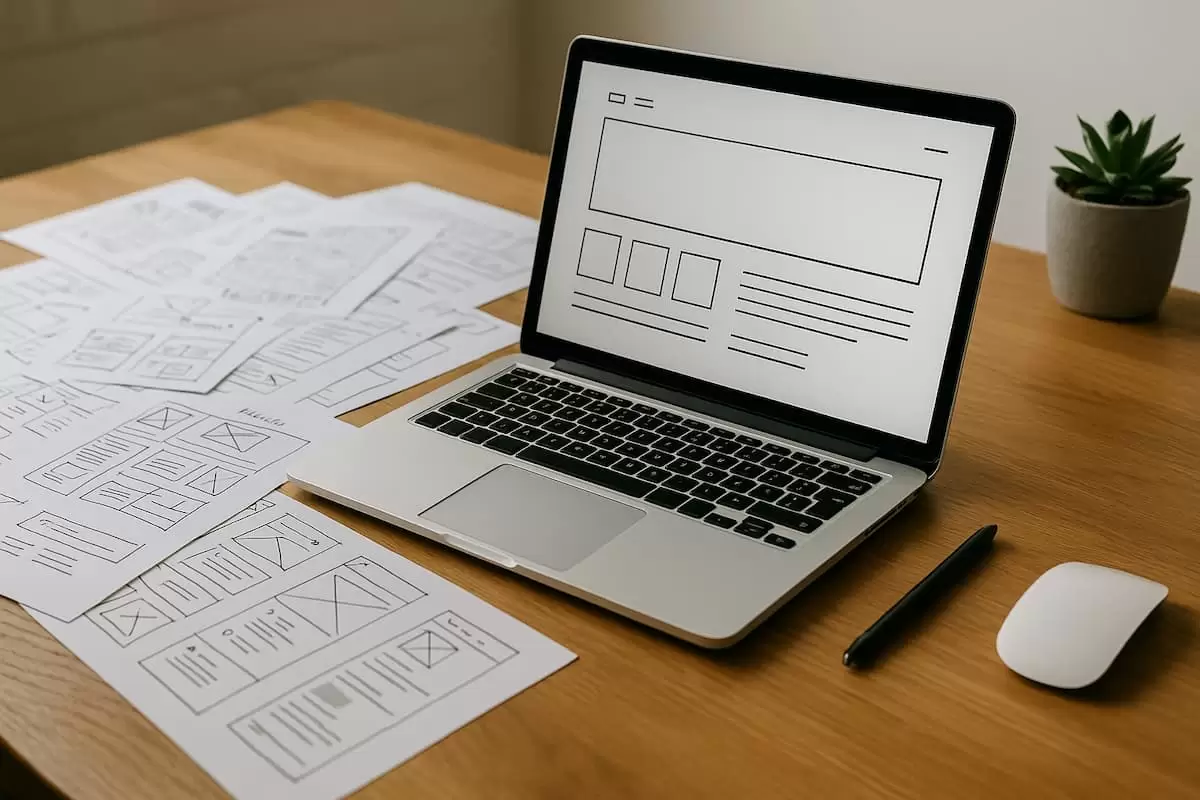
– Start with the structure. First plan the menu, main sections and user journey through the site, then move on to visuals.
– Follow the principle of simplicity and clarity. Avoid too many colors, fonts and animations that overload the interface.
– Prioritize readability. Font size, line spacing and contrast should make reading comfortable.
– Optimize your images. They should be high quality, but compressed enough not to slow down loading.
– Work with analytics. Use Google Analytics and other tools to track user behavior and improve weak spots through design.
– Test thoroughly. Check your site on different devices, in different browsers and at various screen resolutions.
Remember that good website design is not a one-off project. It is a living process that is constantly refined and optimized based on real user behavior.
Good website design with the 166 Tech team
If you want a modern, functional website that is optimized for both users and search engines, it is better not to leave it to chance but to work with a professional team. 166 Tech analyzes the needs of your business and builds solutions based on the principles of good website design from both an aesthetic and technical perspective.
We create a unique design that fits your brand, build a fast and mobile-friendly website, structure your pages and content according to SEO best practices, integrate payment systems, ERP and other services to digitize your business processes, and provide ongoing technical support so that your site always runs smoothly.
If you want to use good website design to take your online business results to the next level, you can contact 166 Tech and order a solution tailored to you. Together, we can build a website that reflects the strength of your brand, inspires trust in your customers and delivers real, measurable results.
For more info, visit 166tech.az
For service and technical support, simply call 166