In this article 2
What is PESTEL Analysis?
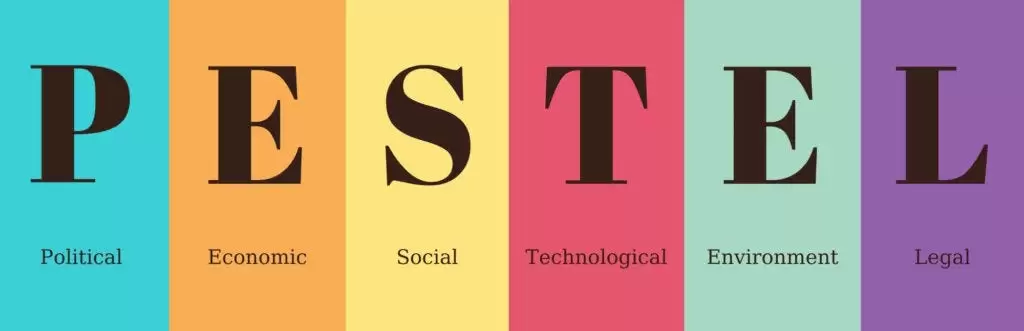
PESTEL analysis (Political, Economic, Social, Technological, Environmental, Legal) is a strategic assessment method used to evaluate various external factors affecting an organization or business environment. This analysis helps identify macro factors that may influence a company's current and future operations.
Changes in the business environment can directly or indirectly impact an organization. PESTEL analysis enables businesses to predict these influences and adapt their strategic plans accordingly.
This method is widely used in market research, strategic planning, and business development. Through PESTEL analysis, companies can minimize risks, better assess market opportunities, and formulate stronger strategies for long-term success.
Components of PESTEL Analysis
PESTEL analysis consists of Political, Economic, Social, Technological, Environmental, and Legal factors. These factors shape the external business environment and directly or indirectly influence an organization’s operations. Below, we explain the significance of each factor for businesses in detail.
1. Political Factors
Political factors relate to government policies, legislation, and regulatory decisions that shape the business environment. These factors can create challenges or advantages for market entry.
Key political factors:
- Tax policies and government subsidies
- Political stability or instability
- Trade regulations and tariffs
- Government intervention in the economy
- International relations and sanctions
For example, political instability in a country can pose risks for investors and complicate business planning.
2. Economic Factors
Economic factors determine the financial environment of a market and consumer purchasing power. These factors directly influence business revenues, investment opportunities, and growth potential.
Key economic factors:
- GDP growth or decline
- Inflation and deflation rates
- Unemployment rates and labor market conditions
- Interest rates and credit accessibility
- Currency exchange rates and economic stability
For instance, during periods of high inflation, consumers tend to spend less, which can negatively affect business revenues.
3. Social Factors
Social factors reflect demographic and cultural characteristics of society. Companies must consider these factors to analyze consumer behavior and market demand effectively.
Key social factors:
- Age demographics and population changes
- Education levels and workforce quality
- Cultural values, traditions, and religion
- Urbanization and lifestyle trends
- Consumer behavior and emerging trends
For example, the increasing trend of healthy eating has led to the development of new products in the food industry.
4. Technological Factors
Technology has a profound impact on business operations. Innovations in technology can revolutionize production, sales, and service industries.
Key technological factors:
- Advancements in production technologies and automation
- Artificial intelligence and digital transformation
- Innovation and R&D (Research and Development) investments
- Growth of the internet and e-commerce
- Mobile technology and data security
For example, artificial intelligence development is optimizing business processes and replacing human labor in many industries.
5. Environmental Factors
Environmental factors highlight the impact of businesses on the ecosystem and the necessity of adhering to ecological regulations.
Key environmental factors:
- Climate change and weather conditions
- Utilization and depletion of natural resources
- Environmental regulations and governmental policies
- Development of alternative energy sources
- Industrial waste management and sustainability
For instance, restrictions on carbon emissions have accelerated the adoption of electric vehicles in the automobile industry.
6. Legal Factors
Legal factors pertain to the regulations and laws governing business operations. Companies that fail to comply with legal requirements may face fines and legal challenges.
Key legal factors:
- Labor laws and employee rights
- Intellectual property and patent laws
- Consumer protection regulations
- Transparency in the judicial system and legal protection
- Antitrust laws and market competition regulations
For example, regulations such as GDPR impose strict guidelines on the handling of customer data, affecting how businesses manage information security.
Importance of PESTEL Analysis
PESTEL analysis is a crucial tool for conducting a comprehensive assessment of the external environment in which a business or organization operates. This analysis provides the following advantages:
✅ 1. Identifying Future Risks The business environment is full of various risks. Factors like political instability, economic downturns, or technological advancements can significantly impact business operations. PESTEL analysis helps identify these risks early, allowing companies to take preventive measures.
✅ 2. Evaluating Market Opportunities New market opportunities continuously arise, such as technological innovations, shifts in consumer behavior, or new environmental regulations. PESTEL analysis helps businesses identify and capitalize on these opportunities for growth.
✅ 3. Enhancing Strategic Planning A successful business strategy must be aligned with external factors. PESTEL analysis enables companies to better understand market trends and develop long-term strategies accordingly.
✅ 4. Gaining Competitive Advantage Staying ahead of competitors requires businesses to adapt quickly to market changes. PESTEL analysis helps companies anticipate shifts in the external environment and make proactive decisions.
✅ 5. Strengthening Investor and Partner Relations Investors and business partners value stability in the business environment. Through PESTEL analysis, organizations can gain insights into risks and opportunities, allowing them to present more credible business plans.
✅ 6. Ensuring Legal and Environmental Compliance Laws and environmental regulations frequently change. Companies that fail to comply may face hefty fines or legal disputes. PESTEL analysis aids in minimizing these risks and ensuring regulatory compliance.
Differences Between PESTEL and SWOT Analysis
PESTEL and SWOT analyses are two distinct strategic tools used for business planning. While both help companies assess their market positioning, their primary objectives and approaches differ.
PESTEL analysis focuses solely on external factors, such as political, economic, social, technological, environmental, and legal influences. This analysis is particularly useful for understanding macroeconomic trends and adjusting business strategies accordingly.
SWOT analysis, on the other hand, examines both internal and external factors. It identifies a company’s strengths and weaknesses (internal factors) and evaluates opportunities and threats in the market (external factors). SWOT analysis is more focused on internal decision-making and optimizing organizational resources.
A key difference is that PESTEL analysis provides insights into external market influences, while SWOT analysis integrates these insights with a company’s internal capabilities to formulate strategies.
Often, businesses use both PESTEL and SWOT analyses together. For example, PESTEL analysis might identify automation as a rising technological trend, while SWOT analysis could reveal whether the company has the resources to implement automation successfully.
Frequently Asked Questions (FAQ)
Who benefits from PESTEL analysis?
-
Business executives, investors, and strategic planners find it particularly useful.
How often should PESTEL analysis be conducted?
-
At least once a year or whenever significant economic or political changes occur.
Is PESTEL analysis necessary for every company?
-
Yes, as tracking market trends is crucial for long-term business success.
Can PESTEL and SWOT analyses be used together?
-
Absolutely! Combining both analyses provides a more comprehensive strategic outlook.
What types of risks can PESTEL analysis identify?
-
Political instability, economic crises, environmental regulations, and technological disruptions.
SWOT analysis is a strategic method that identifies a business's strengths, weaknesses, opportunities, and threats. Read more: SWOT Analysis